Featured and Trending
Remote Dental Assistants: Your Competitive Edge in 2025
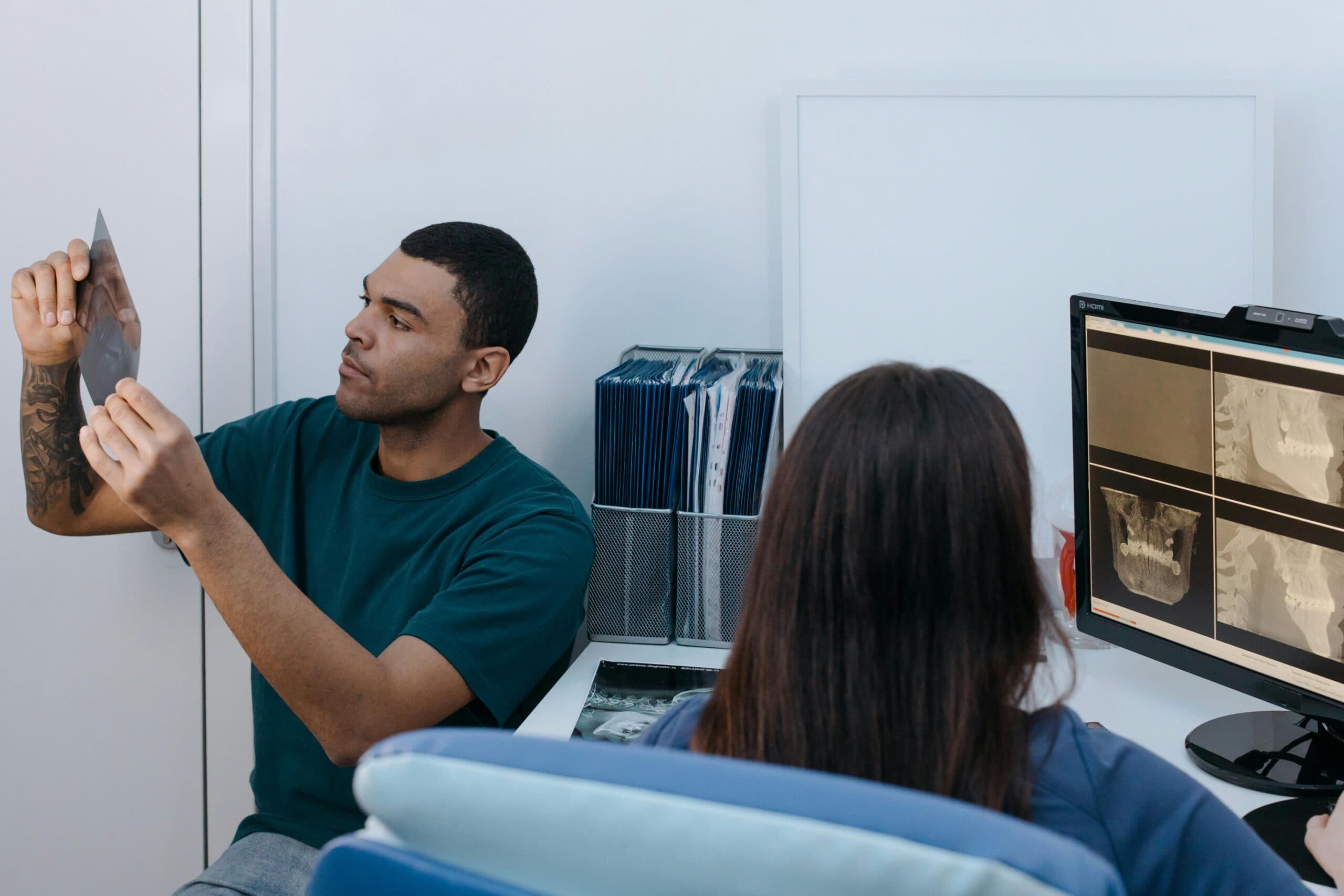
The DSO landscape is shifting fast. With operational costs rising, margins tightening, and labor harder to find, traditional hiring just isn’t cutting it anymore. That’s why top-performing dental support organizations are turning to remote dental assistants and turning their staffing model into a strategic edge.
The Cost of the Admin Burden
Burnout is a business problem.
Dental teams are being stretched further than ever. Between scheduling, insurance verifications, claims follow-ups, patient communications, and EHR documentation, front-office overload is becoming the norm. These non-clinical demands eat into chair time, affect case acceptance, and pull focus away from delivering exceptional care.
According to Edge’s 2025 Industry Report: How Remote Admins Are Reshaping Operations, inefficient scheduling and patient no-shows contribute to an estimated 17% underutilization of available chair time across dental practices.
Here’s what it really looks like:
- Admin errors causing delays in claim submissions and patient frustration
- Clinicians bogged down in EHR and post-visit notes
- Patients waiting longer for responses, reminders, and rescheduling
The result? Lower productivity, lost revenue, and high staff turnover.
How DSOs Are Shifting to Virtual Models
To break the burnout cycle and reclaim efficiency, leading DSOs are turning to virtual staffing. It is a modern operations model that brings in remote dental assistants to handle the most time-intensive admin work.
Unlike temp agencies or generic offshore vendors, Edge focuses on delivering:
- Dedicated talent
- Role-specific training
- HIPAA-compliant systems
- Operational continuity
At Edge, we help DSOs build remote admin teams that actually move the needle. Whether you’re looking for a single assistant or a multi-location support strategy, we source, train, and deploy remote dental assistants who are ready from day one.
What Can a Remote Dental Assistant Actually Do?
You’d be surprised how much of your daily workflow can be streamlined or offloaded entirely, without compromising quality or patient experience.
Here’s what Edge-trained, role-specific remote dental assistants can take off your plate:
- Dental Receptionists: Appointment scheduling, calendar coordination, confirmations, and follow-ups—managed all within your practice management system. They reduce no-shows and free up your front desk to focus on in-person care.
- Dental Insurance Coordinators: Handle real-time insurance verifications, benefits breakdowns, and pre-authorization requests to prevent delays and maximize billing accuracy.
- Prior Authorization Coordinators: Streamline the pre-approval process for treatment plans and specialist referrals, helping reduce claims rejections and improve treatment acceptance.
- Dental Scribes: Capture visit notes, update charts, and complete post-visit documentation in your EHR, giving dentists and hygienists more time to focus on patients.
- Dental Billing Specialists: Submit claims, post EOBs, manage denials, and assist with accounts receivable follow-up to keep your revenue cycle healthy and streamlined.
These are trained professionals embedded in your practice’s systems, workflows, and compliance needs. When powered by Edge, your virtual DSO staffing model becomes a real competitive advantage.
Why It Works
Remote dental assistants aren’t a plug-and-play solution, unless the prep is done right. That’s where most outsourcing models fall short, and where Edge sets the bar higher.
At Edge, every remote dental assistant is:
- Trained in U.S. dental workflows: from insurance jargon to dental-specific PMS systems
- Onboarded into your exact setup: we match talent to your tools, not the other way around
- Continuously supported and upskilled: through our in-house training programs and QA systems
- Vetted for HIPAA compliance: all talent work from secure environments, with signed NDAs and access protocols
And yes, you make the hiring decision. Our matchmaking process is built around finding a long-term fit that aligns with both your workflows and team culture.
What DSOs Are Seeing
In Edge’s Dental Industry Report, multi-location practices and DSOs reported measurable operational improvements after bringing on remote admin support.
Practices working with Edge have reported a 42% reduction in administrative backlog within the first 3 months of onboarding remote support.
By integrating Prior Authorization Coordinators and Dental Billing Specialists, clinics improved claims accuracy and speed, contributing to faster revenue cycles and fewer patient complaints—an issue the ADA Health Policy Institute has identified as a key operational stressor for dental teams post-pandemic.
But the shift isn’t just tactical, it’s structural.
Instead of dealing with a 45+ day time-to-fill for in-office roles, DSOs are investing in remote dental teams that scale effortlessly across regions. It’s a way to reduce overhead, improve consistency, and build a staffing model that doesn’t collapse when turnover hits.
Ready to Build Your Edge?
The admin bottleneck isn’t going away, but how you solve it will define your growth.
At Edge, we don’t offer one-size-fits-all outsourcing. We offer medical compliance outsourcing that’s role-specific, HIPAA-secure, and built for scalable DSO operations. Our remote dental roles cover every non-clinical admin function—from insurance and billing to reception and pre-auths—and our clients are seeing the results in retention, revenue, and speed.
If you’re still solving staffing gaps the traditional way, it’s time to rethink what support should look like in 2025.
More from Dentistry

After Hours Dental Answering Service: Keep Emergency Patients
When a dental patient calls at night with an emergency, an after-hours answering service makes sure someone picks up. That part is easy to solve, and most practices already have. The harder part comes the next morning. An after hours dental answering service usually takes a message, not an appointment. If nobody calls that …

Dental Virtual Receptionist Software Integration Guide
Almost every virtual receptionist provider says it “integrates with Dentrix.” What practices really want to know is simpler: what will this person be able to see and do in their system, and who controls that? Here’s the plain answer. For a real person, dental virtual receptionist software integration just means giving them their own …
Dental Virtual Assistant vs Receptionist: Key Differences
Dental practices hear “virtual receptionist” and “virtual assistant” used almost interchangeably, and it’s hard to tell what you’re actually paying for. The simple difference: a dental virtual receptionist takes care of patients on the phone, like answering calls and booking appointments. A dental virtual assistant takes care of the paperwork behind the scenes, like …

Digital Receptionist for Healthcare: Features That Matter
The demo always shows the same call. A patient phones in, the AI voice agent recognizes her, finds an open follow-up slot and books it in under a minute. It’s impressive, but it’s also the easiest call a practice gets all day. A digital receptionist is software, usually an AI voice agent, chat tool or …